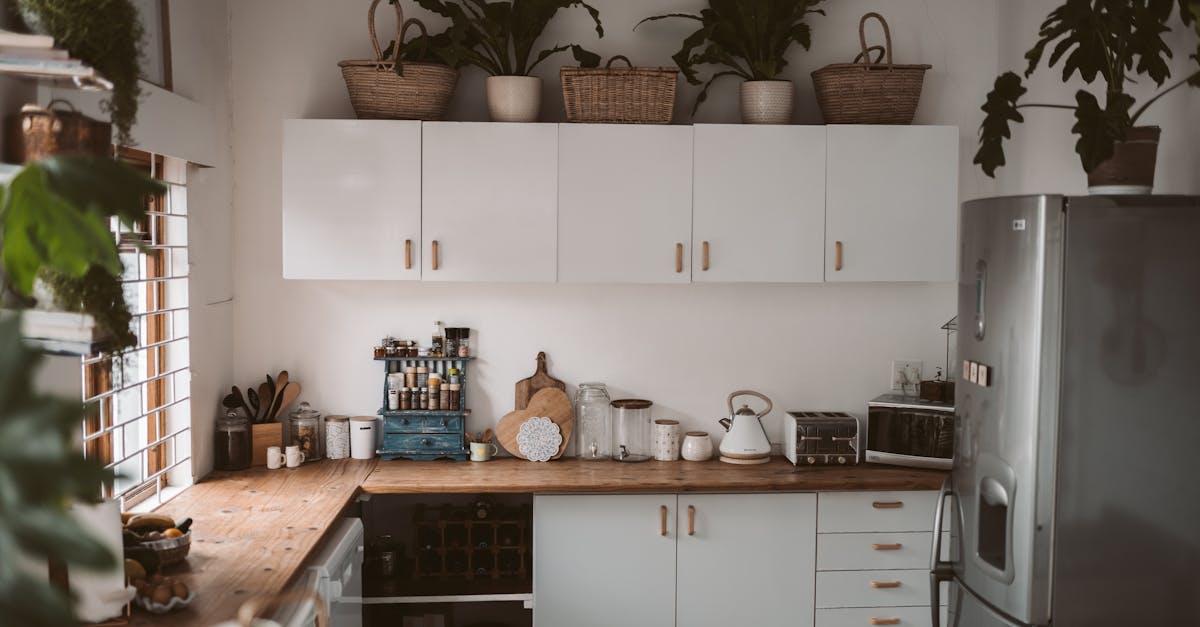
Combining Aesthetics and Functionality with Eco-Friendly Materials
Table Of Contents
The Role of Colour in Eco-Friendly Aesthetics
Colour plays a pivotal role in creating spaces that not only look good but also resonate with sustainability. Using a palette inspired by nature can evoke feelings of tranquility and connection to the environment. Warm earthy tones, soft greens, and gentle blues reflect the natural world, allowing spaces to feel more organic. Such colours can create a sense of calm and well-being, essential components of eco-friendly design.
Incorporating colour into eco-friendly aesthetics goes beyond visual appeal. It can influence mood, energy consumption, and overall ambience. For instance, lighter shades can enhance natural light, reducing the need for artificial lighting during the day. Meanwhile, the right combination of hues can convey the intention behind a design, promoting a message of sustainability and awareness. This thoughtful approach to colour choice aligns aesthetic values with environmentally conscious practices.
Using Natural Pigments and Dyes
Natural pigments and dyes offer a rich and vibrant alternative to synthetic colour solutions, making them increasingly popular among designers and eco-conscious consumers. Derived from sources such as plants, minerals, and insects, these colours not only provide aesthetic appeal but also align with sustainable practices. The process of extracting and applying these pigments requires consideration of both artistry and environmental impact, ensuring that each hue contributes positively to the overall ethos of a project.
Implementing natural dyes in textiles, paints, and other materials can elevate the visual quality of a space while promoting a healthier indoor environment. Health and safety become paramount when using these substances, as they typically avoid the harmful chemicals associated with synthetic options. The growing demand for eco-friendly alternatives has led to the emergence of numerous boutiques and suppliers specialising in the production and distribution of these organic colours, making them more accessible for various applications.
Cost Considerations for Eco-Friendly Projects
Budgeting for sustainable materials requires a clear understanding of the initial investment versus long-term savings. Eco-friendly options, such as recycled or sustainably sourced products, may come with a higher upfront cost. However, these materials often offer durability and energy efficiency, leading to reduced maintenance and utility bills over time. Homeowners and designers must weigh these factors while planning their projects to ensure financial feasibility without compromising environmental goals.
There are various strategies to reduce costs while still embracing sustainable practices. Sourcing locally produced materials can not only lessen transportation expenses but also support the community. Additionally, considering modular designs or upcycling existing elements can keep expenditures in check. Flexibility in project timelines may also allow for opportunistic purchasing, taking advantage of sales or available discounts on eco-friendly products.
Budgeting for Sustainable Materials
When planning a project focused on eco-friendly materials, it is crucial to set a realistic budget that accommodates both the aesthetic and functional needs of the design. Sustainable options can sometimes come at a premium, driven by responsible sourcing and ethical production processes. Identifying local suppliers is one way to alleviate costs, as this reduces transportation expenses and supports the community. Additionally, take advantage of any available grants or subsidies that promote sustainable building practices.
Balancing the initial outlay for eco-friendly materials with long-term benefits can make sustainable projects more financially viable. Investing in high-quality materials tends to offer greater durability and efficiency, leading to reduced maintenance and energy costs over time. To maximise your budget, consider prioritising key elements that will have the most significant impact, such as energy-efficient fixtures or reclaimed wood finishes. This approach ensures that each dollar spent contributes to both environmental sustainability and aesthetic appeal.
Trends in Eco-Friendly Interior Design
The shift towards eco-friendly interior design has gained momentum as sustainability becomes a top priority for many homeowners and designers alike. This trend emphasises the use of organic materials, such as reclaimed wood and natural textiles, which not only reduce environmental impact but also create warm and inviting spaces. Incorporating biophilic design elements, such as indoor plants and natural light, enhances the connection between individuals and nature, fostering a sense of well-being within the home.
Innovative approaches to interior layouts now reflect a commitment to sustainability while maintaining aesthetic appeal. Open spaces that maximise natural light contribute to warmth and airiness, and these designs often incorporate energy-efficient fixtures and appliances. Additionally, utilising upcycled furniture and décor presents a unique character to the interiors, encouraging creativity and individuality in sustainable living. These trends not only enhance the home's visual appeal but also promote an environmentally responsible lifestyle.
Embracing Biophilic Elements
Integrating biophilic design strategies into interior spaces fosters a deeper connection with nature, benefiting both aesthetics and well-being. This approach involves incorporating natural elements such as plants, water features, and natural light into the living environment. The presence of greenery not only enhances visual appeal but also improves air quality, providing a sense of tranquillity and promoting mental health.
Incorporating organic shapes, textures, and colours inspired by nature further amplifies this connection. By selecting furniture and decor that reflect natural forms, spaces can evoke a sense of calm and refuge. Sustainable practices can also be supported by sourcing materials from eco-friendly suppliers, thus reinforcing the commitment to environmental stewardship while creating harmonious interiors that resonate with the natural world.
FAQS
What are eco-friendly materials?
Eco-friendly materials are substances that are sustainable, renewable, and have a minimal impact on the environment. They often come from natural sources and are processed with less harmful chemicals, contributing to a healthier planet.
How does colour influence eco-friendly design?
Colour plays a significant role in eco-friendly design by enhancing aesthetic appeal while promoting a sense of connection to nature. Using natural pigments and dyes can reflect the beauty of the environment and reduce the reliance on synthetic chemicals.
What should I consider when budgeting for eco-friendly projects?
When budgeting for eco-friendly projects, consider the initial costs of sustainable materials, long-term savings on energy and maintenance, and potential government incentives. It’s important to weigh the overall value and benefits of investing in environmentally friendly options.
What are some current trends in eco-friendly interior design?
Current trends in eco-friendly interior design include the use of biophilic elements, which integrate natural features such as plants and natural light into living spaces. Other trends include upcycling materials, sustainable furniture, and energy-efficient appliances.
How can I incorporate biophilic elements into my home?
You can incorporate biophilic elements into your home by adding indoor plants, using natural materials like wood and stone, maximising natural light with larger windows, and creating outdoor living spaces that connect with nature.
Related Links
Energy Efficiency in the Production of Kitchen CabinetsThe Benefits of Sustainable Practices in Cabinet Manufacturing
Incorporating Salvaged Woods in Modern Kitchen Designs
Eco-Conscious Kitchen Cabinet Hardware Choices
The Impact of Bamboo in Sustainable Cabinet Manufacturing