Innovations in Traditional Cabinet Design for Modern Homes
Table Of Contents
Colour Psychology in Cabinet Design
The choice of colour can significantly influence the atmosphere within a home. In cabinet design, hues have the power to evoke various emotions and responses from the inhabitants. For instance, warm tones like reds and yellows can energise a space, creating an inviting and lively environment. In contrast, cooler shades such as blues and greens promote calmness and relaxation, making them ideal for tranquil spaces like kitchens and bathrooms. As homeowners seek ways to enhance their living spaces, understanding colour psychology becomes essential for achieving the desired mood.
Incorporating colour into cabinet design not only serves aesthetic purposes but also aligns with broader themes of interior design. When selecting colours, consideration of natural light and surrounding furnishings is crucial. Lighter shades can make a space feel more open and airy, while darker colours can add depth and sophistication. The strategic use of accents and contrasts can also draw attention to specific features within the cabinetry, creating a dynamic visual experience. By thoughtfully integrating colour into cabinet design, homeowners can curate an ambiance that reflects their personal style and enhances their overall living experience.
Choosing Hues that Enhance Home Ambiance
The right colour can profoundly influence the atmosphere of any room. Warm tones like soft yellows and earthy browns can create a sense of warmth and comfort, making spaces feel more inviting. On the other hand, cooler hues such as blues or greens often evoke calmness and serenity, which can be particularly beneficial in areas intended for relaxation. Homeowners should consider how these colours interact with existing decor and natural light to achieve the desired emotional impact.
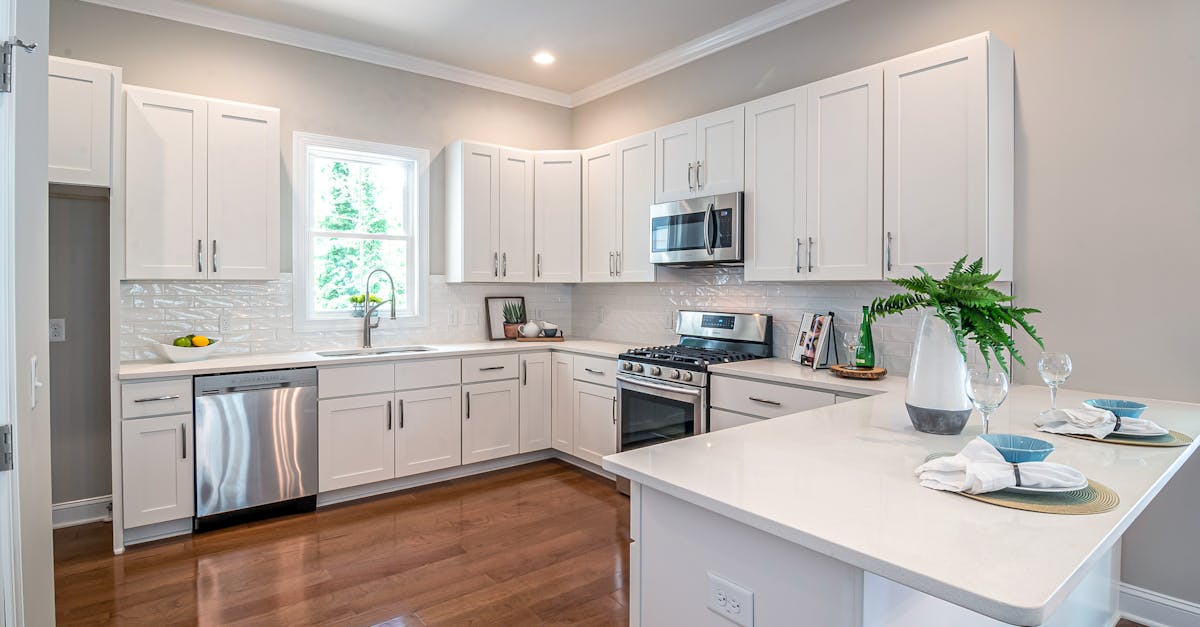
Selecting cabinet colours involves not only personal preference but also an understanding of how different shades affect the overall design. Neutral tones like whites and greys offer versatility, allowing them to blend seamlessly with various styles while maintaining a modern aesthetic. For those looking to make a statement, bold colours can act as focal points, drawing the eye and creating visual interest. Both approaches can enhance the home's ambiance, making thoughtful colour choices essential for achieving a cohesive and appealing look.
Multi-Functional Cabinet Features
The modern approach to cabinet design embraces versatility, incorporating various features that cater to changing lifestyle needs. Drawers that transform into workstations, cabinets with integrated lighting, and shelves that can be easily adjusted or removed exemplify the shift towards functionality. Homeowners increasingly prefer solutions that maximise space and provide practical uses, often opting for designs that fulfill multiple purposes. This adaptability not only enhances the utility of cabinets, but also contributes to a streamlined aesthetic.
Innovations such as soft-close mechanisms and built-in charging stations reflect a desire for both convenience and style. Many designs now emphasise seamless integration with other home elements, allowing cabinets to blend effortlessly into the surrounding decor. The functionality of cabinets extends beyond mere storage; they now serve as focal points that enhance the overall design ethos of the home. As the demand for both beauty and practicality grows, the evolution of cabinet features continues to redefine contemporary interiors.
Blending Style with Practicality
The integration of stylish elements with functional features is becoming increasingly prominent in cabinet design. Homeowners seek solutions that not only enhance the visual appeal of their spaces but also cater to everyday needs. Incorporating adjustable shelving, hidden compartments, and modular configurations exemplifies how modern cabinets can serve multiple purposes while maintaining a chic aesthetic. The blend of wood finishes with sleek metal accents can create a striking visual while ensuring that storage solutions remain accessible and efficient.
In this evolving landscape, designers are drawing inspiration from various sources to craft products that address both form and function. The use of high-quality materials ensures durability without sacrificing elegance. Novel hardware options, such as touch-release mechanisms and soft-close hinges, add an element of sophistication while improving usability. By thoughtfully considering these aspects, contemporary cabinet designs have the potential to elevate not only the practicality of a home but also its overall style narrative.
Minimalism vs. Maximalism in Cabinet Aesthetics
The debate between minimalism and maximalism in cabinet design highlights a fundamental choice facing many homeowners. Minimalist cabinetry often features sleek lines, understated finishes, and a predominantly neutral palette that promotes a sense of calm. This style prioritises functionality, ensuring that every element serves a purpose while contributing to a serene environment. On the other hand, maximalism embraces bold colours, intricate patterns, and eclectic combinations, encouraging self-expression and creativity. This approach allows for a vibrant and personalised aesthetic that can transform a space into a reflection of individual taste and personality.
When it comes to practicality, both design philosophies offer unique advantages. Minimalist cabinets often create a clutter-free environment, making spaces appear larger and more organised. Their simplicity can also enhance resale value, appealing to a wide range of potential buyers. Conversely, maximalist cabinetry can provide warmth and character, often becoming a focal point in a room. Incorporating various textures and designs can create visual interest, but it requires careful planning to avoid overwhelming the space. The choice between these aesthetics ultimately comes down to personal preference, lifestyle needs, and the overall vision for home decor.
Finding Balance in Design Philosophy
The balance between minimalism and maximalism offers a unique opportunity to create cabinets that resonate with personal style while maintaining functionality. Minimalism often emphasises clean lines, neutral palettes, and a focus on space, leading to a serene atmosphere. In contrast, maximalism encourages bold colours, intricate patterns, and an eclectic mix of textures, inviting a diverse range of expression. Striking the right balance allows homeowners to craft spaces that reflect their identities without sacrificing practicality.
Incorporating elements from both design philosophies can lead to innovative cabinetry solutions. For example, streamlined cabinet structures adorned with vibrant hardware or decorative elements can marry simplicity with flair. Such an approach not only enhances visual interest but also utilises every inch of space effectively. A thoughtful mix ensures that cabinets not only serve their purpose but also contribute to the overall aesthetic appeal of modern living spaces.
FAQS
What is colour psychology and how does it influence cabinet design?
Colour psychology is the study of how colours affect perceptions and behaviours. In cabinet design, the choice of hues can significantly enhance the ambiance of a home, influencing feelings of calmness, energy, or warmth.
How can I select colours for my cabinets that will enhance my home’s atmosphere?
When selecting colours, consider the overall theme of your home and the emotions you want to evoke. Light colours can create a sense of openness, while darker shades may add elegance. It’s also important to think about how the colours interact with existing decor and lighting.
What are some examples of multi-functional cabinet features?
Multi-functional cabinet features can include built-in pull-out shelves, adjustable compartments, and integrated lighting. These designs not only optimise space but also enhance functionality without compromising style.
How can I achieve a balance between style and practicality in my cabinet design?
To blend style and practicality, focus on choosing designs that serve multiple purposes, such as cabinets with built-in seating or storage that complements your decor. Assess your needs and opt for materials and finishes that are both aesthetically pleasing and durable.
What is the difference between minimalism and maximalism in cabinet aesthetics?
Minimalism focuses on simplicity and functionality, often using clean lines and understated designs, while maximalism embraces bold colours, intricate patterns, and a more eclectic approach. The choice between the two depends on personal preference and the overall design philosophy of your space.
Related Links
Popular Styles of Traditional Cabinets for Australian HomesA Guide to Maintaining Your Traditional Kitchen Cabinets
The Role of Traditional Cabinets in Australian Kitchen Design
Colour Palettes That Complement Traditional Cabinetry
Incorporating Vintage Hardware in Traditional Kitchen Cabinets
Enhancing Your Space with Custom Traditional Cabinet Designs