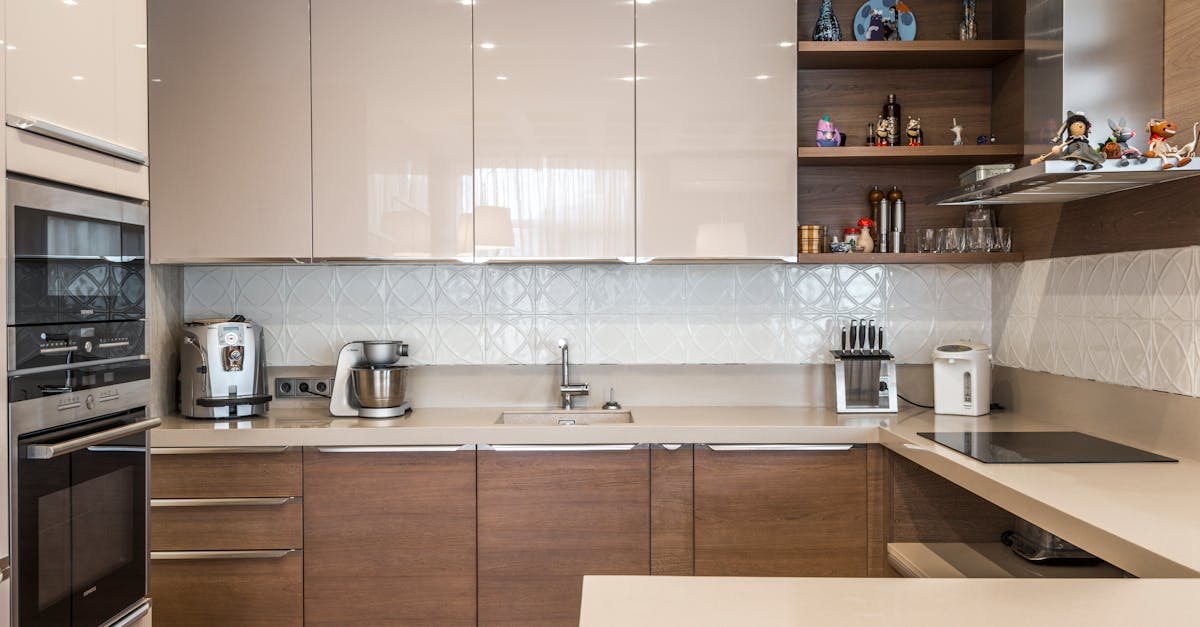
Selecting the Right Finish for Your Modular Kitchen Cabinets
Table Of Contents
Budgeting for Finishes
When planning for modular kitchen cabinet finishes, it is essential to establish a realistic budget. This involves assessing not only the initial costs of materials but also potential long-term expenses related to maintenance and durability. Popular finishes like laminate tend to be more budget-friendly, while natural timber or custom lacquer finishes might require a higher investment. Setting a clear budget ensures you can explore options without overspending or compromising on quality.
Investing in finishes that last can ultimately save money over time. For instance, while cheaper materials might seem appealing initially, they often require frequent replacements or repairs due to wear and tear. Evaluating the cost-effectiveness of each option is crucial. Consider future needs and how often you might want to update the look of your kitchen. This foresight helps achieve a balance between aesthetics, functionality, and financial practicality.
Cost Considerations for Different Materials
When selecting finishes for modular kitchen cabinets, the material chosen significantly influences the overall cost. Popular options like laminates tend to be more budget-friendly, offering a wide range of designs and colours while maintaining durability. Veneer and solid wood finishes, although aesthetically pleasing, come with a higher price tag due to the quality of materials and craftsmanship involved. Homeowners should consider not only their initial spend but also the long-term value and maintenance costs associated with different materials.
Investing in a higher-quality finish may seem daunting at first, yet it can provide substantial benefits over time. For instance, while vinyl is an economical option, it may wear down faster than other materials, leading to the need for replacements sooner. On the other hand, engineered wood or high-pressure laminate can offer similar visual appeal to timber at a reduced cost while ensuring durability. Ultimately, weighing the upfront costs against the longevity and upkeep required for each material will help in making informed decisions tailored to individual budgets and kitchen aesthetics.
Eco-Friendly Finish Options
In today's environmentally conscious world, selecting sustainable finishes for kitchen cabinets has become increasingly important. Options such as water-based paints and finishes are not only versatile but also emit fewer volatile organic compounds (VOCs). This makes them a healthier choice for indoor air quality and minimizes negative impacts on the environment. Natural oils and waxes, derived from renewable resources, offer a unique aesthetic while providing protection against wear and moisture.
Reclaimed wood and bamboo are also gaining popularity as eco-friendly materials. Both options utilise renewable resources, reducing the demand for new timber while adding distinctive character to any kitchen. The choice of finishes extends beyond just aesthetics; they can significantly influence sustainability in the manufacturing process. By opting for finishes that are free from harmful chemicals and responsibly sourced, homeowners can contribute to a greener future while enjoying a stylish and functional kitchen.
Sustainable Choices for Your Kitchen Cabinets
Choosing sustainable finishes for kitchen cabinets can significantly reduce environmental impact. Options like low-VOC (volatile organic compound) paints and finishes promote healthier indoor air quality. Natural materials such as bamboo and recycled wood not only provide aesthetic appeal but also contribute to sustainable practices. Embracing non-toxic finishes ensures that harmful chemicals do not leach into the home environment, creating a safer culinary space.
Additionally, exploring finishes that originate from responsibly managed forests can enhance sustainability. For instance, using products certified by the Forest Stewardship Council (FSC) assures consumers that their materials come from environmentally sound sources. Materials such as reclaimed wood also offer unique textures and histories, making them both eco-friendly and distinctive for personalising kitchen design. Making informed choices fosters a connection to the environment while enhancing the beauty of your kitchen.
The Importance of Lighting
Lighting plays a significant role in how the finishes of your kitchen cabinets are perceived. Natural light can enhance the colour and texture of materials, making them look more vibrant and appealing during the day. Conversely, artificial lighting, whether it's under-cabinet lights or overhead fixtures, can cast shadows and alter the appearance of finishes. Carefully chosen lighting can highlight the unique features of your chosen materials, ensuring that your cabinets are showcased to their fullest potential.
When selecting finishes, it is important to consider how various light sources interact with the surface. Glossy finishes tend to reflect light more than matte finishes, potentially creating a striking visual effect but sometimes leading to glare. The way light bounces off surfaces can also affect the overall mood and atmosphere of the kitchen. Therefore, aligning the finish selection with the existing lighting conditions will help in achieving a cohesive and inviting space.
How Finish Selection Interacts with Natural and Artificial Light
The choice of finish for modular kitchen cabinets can significantly influence the ambience of the space. Glossy surfaces reflect light, creating an illusion of a larger area and enhancing brightness. Dull or matte finishes absorb light, contributing to a cozier atmosphere but can sometimes make a room feel more enclosed. Understanding how each finish reacts to both natural and artificial light sources can help in achieving the desired aesthetic.
Natural light varies throughout the day, changing how finishes appear. In the morning, a matte surface may look softer, while the same finish can take on a more muted tone by afternoon. Meanwhile, artificial lighting, from warm to cool tones, can alter the perception of colour and texture. It is essential to consider these dynamics when planning a kitchen, as the interface between light and finish can either enhance or detract from the overall design.
FAQS
What factors should I consider when budgeting for finishes for my modular kitchen cabinets?
When budgeting for finishes, consider the type of material, the cost of application or installation, and any additional maintenance or care that may be required. It's also important to factor in your overall kitchen design and how the finish will complement other elements.
Are there specific eco-friendly finish options available for modular kitchen cabinets?
Yes, there are several eco-friendly finish options available, including low VOC (volatile organic compounds) paints, water-based finishes, and natural oils or stains made from sustainable resources. These options are designed to be less harmful to the environment while still providing a durable finish.
How do different finishes affect the aesthetics of my kitchen?
Different finishes can significantly impact the aesthetics of your kitchen. Glossy finishes tend to reflect more light, making spaces feel larger, while matte finishes can add warmth and a more traditional look. The colour and texture of the finish also contribute to the overall design and feel of your kitchen.
What role does lighting play in selecting the finish for my kitchen cabinets?
Lighting plays a crucial role as it can alter the appearance of the finish. Natural light will highlight different colours and textures, while artificial light can create different moods. When selecting a finish, consider how it will look under both natural and artificial lighting conditions.
How can I ensure that my chosen finish is durable and long-lasting?
To ensure durability, choose high-quality materials that are specifically designed for kitchen use. Proper application and regular maintenance, such as cleaning and refinishing when needed, will also help extend the life of the finish. Consulting with professionals can provide additional insight on the best options for durability.
Related Links
Customising Your Modular Kitchen: Tips and IdeasHow to Achieve a Cohesive Look with Modular Kitchen Cabinets
Trends in Modular Kitchen Cabinet Styles for 2023
Choosing the Best Materials for Modular Kitchen Cabinets
Installation Tips for Modular Kitchen Cabinets
Space-Saving Features in Modular Kitchen Cabinet Designs
The Cost-Effectiveness of Modular Kitchen Cabinetry
Innovative Storage Solutions with Modular Kitchen Designs
Benefits of Modular Kitchen Cabinets for Small Spaces