The Art of Detailing: Intricate Designs in Classic Kitchen Cabinets
Table Of Contents
Hardware Choices to Enhance Cabinet Design
The choice of hardware plays a pivotal role in accentuating the beauty of kitchen cabinets. Selecting knobs and handles that resonate with the overall theme of the space can elevate the design significantly. For classic cabinets, ornate designs often evoke a sense of timeless elegance. Materials such as antique brass, polished nickel, or even ceramic can complement detailed woodwork beautifully. Contrast also becomes a vital aspect; a vintage cabinet adorned with sleek, modern handles can create an intriguing balance.
When considering how to enhance cabinet designs, the size and scale of the hardware are crucial. Oversized knobs can make a statement and draw attention, while more subtle options can offer a refined look. It is important to ensure that the chosen hardware is not only aesthetically pleasing but also functional. Comfort and ease of use should remain priorities. The right hardware can infuse personality into the cabinetry, creating an inviting atmosphere in the kitchen that embodies both style and purpose.
Selecting the Right Knobs and Handles
The choice of knobs and handles can significantly influence the overall aesthetic of classic kitchen cabinets. When selecting hardware, consider the material and finish that complement the existing cabinetry. Metals such as brass or brushed nickel bring a touch of elegance, while ceramic options can offer a more rustic charm. The size and shape of the hardware must also align with the scale of the cabinets. Oversized knobs can make a bold statement, while smaller ones tend to provide a more understated look.
It's important to think about functionality alongside aesthetics. Handles that are easy to grip, especially in a busy kitchen environment, can enhance the user experience. Look for ergonomic designs that not only suit the style of the cabinets but also provide comfort during daily use. The placement of handles should also be consistent and practical, helping to maintain the flow of the kitchen while reflecting your personal taste. Balancing beauty with practicality ensures a harmonious integration with the cabinetry.
Incorporating Modern Elements into Classic Designs
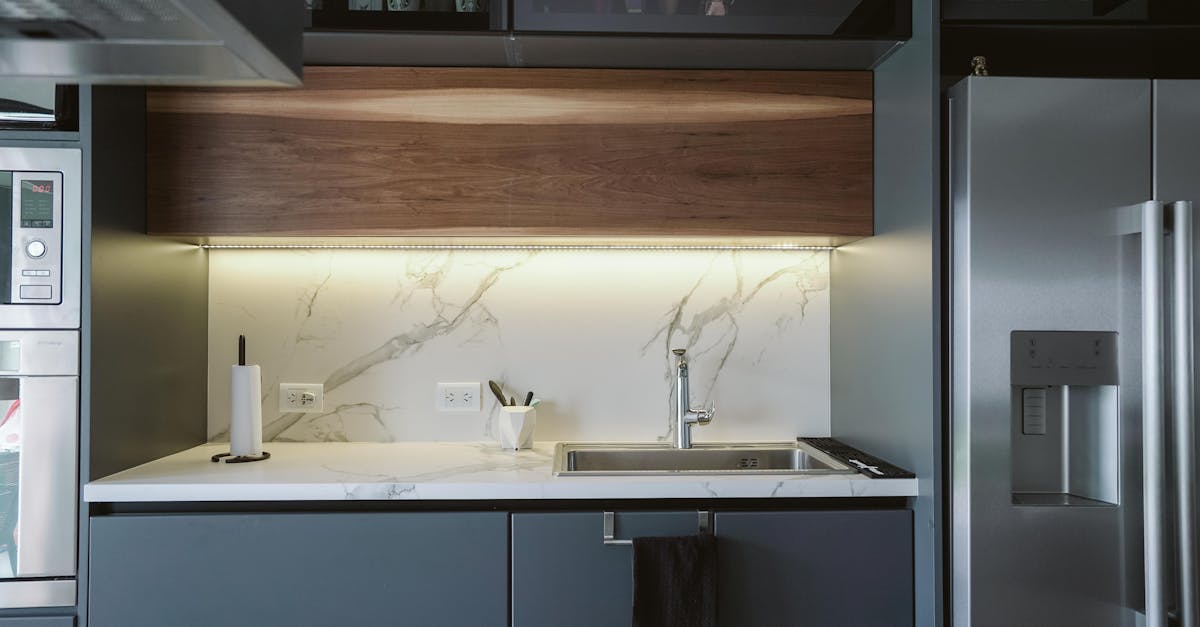
Classic kitchen cabinets can be beautifully enhanced with contemporary features that bring a fresh perspective to traditional design. One approach is the integration of sleek, minimalist hardware that contrasts with ornate woodwork. This juxtaposition creates a dialogue between the old and new, while maintaining the integrity of classic styles. Lighting can also play a pivotal role; LED strip lights under cabinets or inside glass-fronted cabinets add a modern touch and illuminate intricate details, enhancing the overall aesthetic.
Another effective way to incorporate modern elements lies in the selection of paint colours and finishes. Soft neutrals or bold accents can breathe new life into classic cabinetry. Additionally, open shelving or glass inserts can offer a functional yet stylish twist to traditional cabinetry, allowing for display space that feels less formal. These updates reflect personal style while respecting the enduring appeal of classic designs, creating a harmonious blend that suits contemporary tastes.
Blending Tradition with Contemporary Style
Merging classic kitchen cabinet designs with modern aesthetics involves a thoughtful approach that respects both style categories. This blend can be achieved through the use of modern materials alongside traditional wooden cabinets. For example, integrating sleek glass panels or metal accents can provide a fresh contrast that enhances the timeless appeal of wooden cabinetry. Innovative colour combinations also play a vital role, allowing homeowners to infuse vibrant hues or muted tones while maintaining the essence of classic design.
Choosing contemporary hardware further enhances the partnership between vintage and modern. Sleek, minimalist knobs and handles can provide a striking juxtaposition against intricately detailed cabinets. Additionally, keeping surfaces clear and utilising open shelving is another way to achieve a contemporary look while still honouring the traditional forms. The art lies in finding balance, ensuring that neither style overpowers the other, but rather, they coexist harmoniously to create an inviting kitchen space.
Maintenance Tips for Preserving Detail Work
Regular cleaning is crucial for maintaining the intricate detail work on classic kitchen cabinets. Using a soft, damp cloth allows you to remove dust and spills without damaging delicate carvings or finishes. It's advisable to steer clear of harsh chemicals and abrasive materials that might scratch or dull the surfaces. Consider a gentle, pH-balanced cleaner specifically formulated for wood, which helps preserve the beauty of the cabinetry while providing effective cleaning.
Inspecting your cabinets for signs of wear or damage should be part of your maintenance routine. Pay attention to any loose hardware or scratches that may require touch-ups. Applying a suitable wood polish once or twice a year can help protect the finish while enhancing the natural colour and grain. Keeping an eye on humidity levels in the kitchen can also prevent warping or cracking, which is essential for preserving the artistry of the cabinetry's design.
Best Practices for Longevity
Regular maintenance is essential for preserving the intricate details of classic kitchen cabinets. Clean the surfaces using a mild soap solution and a soft cloth, avoiding harsh chemicals that can damage the finish. Ensure you dry the cabinets thoroughly to prevent moisture from settling in cracks and crevices. Pay special attention to areas that experience high traffic; any signs of wear should be addressed promptly to maintain the cabinet's aesthetic appeal.
Humidity control plays a significant role in the longevity of detailed cabinet work. Installing a dehumidifier, particularly in warmer, more humid months, can help to prevent warping and deterioration. Additionally, consider applying a fresh coat of finish every few years to create a protective barrier against wear and moisture. A little care can go a long way in ensuring these kitchen staples continue to be the centrepiece of your home for years to come.
FAQS
What are the best types of hardware to use for classic kitchen cabinets?
The best types of hardware for classic kitchen cabinets include knobs and handles made from materials like brass, bronze, and wrought iron, which can enhance the intricate designs and add a touch of elegance.
How can I blend modern elements into my classic kitchen cabinet design?
You can blend modern elements into classic kitchen cabinetry by incorporating sleek hardware, using a mix of finishes, or adding contemporary lighting fixtures that complement the traditional style.
What should I consider when selecting knobs and handles for my cabinets?
When selecting knobs and handles, consider the material, size, shape, and finish to ensure they complement the overall aesthetic of your cabinets and match the intricacies of the design.
How can I maintain the detail work on my kitchen cabinets?
To maintain the detail work on your kitchen cabinets, regularly clean them with a mild soap solution, avoid harsh chemicals, and apply a furniture polish or beeswax to protect the finish.
What are some best practices for ensuring the longevity of my kitchen cabinets?
Best practices for ensuring the longevity of your kitchen cabinets include maintaining a consistent humidity level, avoiding direct sunlight, and periodically checking for loose hardware or wear on hinges and joints.
Related Links
Sustainability Meets Tradition: Eco-Friendly Materials for Classic StylesHow to Incorporate Vintage Elements into Modern Kitchen Cabinets
Combining Modern Amenities with Timeless Cabinetry Designs
Reviving Heritage Designs: Understanding Classic Influences in Kitchens
Classic Cabinet Styles That Enhance Any Newcastle Kitchen
The Blend of Functionality and Aesthetics in Timeless Cabinetry