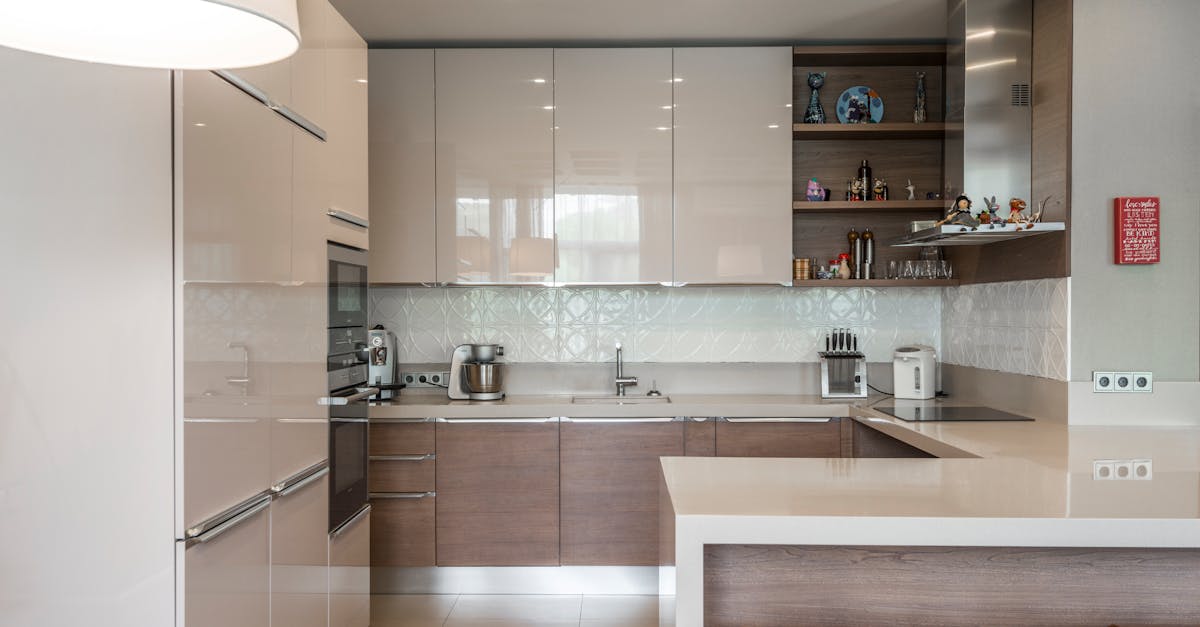
The Impact of Colour Psychology on Kitchen Aesthetics
Table Of Contents
The Emotional Impact of Colour Choices
Choosing colours for a kitchen goes beyond mere aesthetics; it plays a significant role in shaping emotions and experiences. Warm colours, such as reds and yellows, tend to evoke feelings of warmth and happiness, making the space feel inviting. In contrast, cooler tones like blues and greens can promote calmness and serenity. These emotional impacts affect how people interact within the kitchen, influencing everything from cooking behaviour to social gatherings.
The light and ambience of a kitchen can drastically change with colour choices. When selecting colours, it is essential to consider how natural and artificial light will affect the overall vibe. Neutrals can create a grounded and balanced framework, while bold shades can energise the space. Each colour generates a unique atmosphere that can inspire creativity or promote relaxation, impacting the overall enjoyment of cooking and shared meals.
How Colour Affects Cooking and Dining Experiences
The ambience of a kitchen can significantly influence cooking and dining activities. Warm colours like reds and oranges can stimulate appetite and energy levels, making them ideal for kitchens where meals are prepared with enthusiasm. In contrast, cooler shades such as blues and greens are known for their calming effects, which can lead to a more relaxed dining experience. The choice of colour not only affects the mood of those present but can also influence how food is perceived and enjoyed.
Lighting plays a crucial role in how colours are perceived in kitchen spaces. A well-lit kitchen with the right colour palette can enhance the vibrancy of ingredients, making the cooking process more enjoyable. For instance, bright whites and light yellows can create an inviting atmosphere, encouraging social interaction during meal preparation and dining. Properly chosen accent colours can draw attention to specific areas, transforming the overall kitchen experience while promoting a sense of warmth and comfort among family and friends.
Cultural Perceptions of Colour in Kitchen Design
Different cultures often associate specific colours with emotions, traditions, and even culinary practices. In many Asian cultures, red signifies good fortune and joy, making it a popular choice for kitchen designs. Bright colours are used to evoke warmth and hospitality, creating an inviting atmosphere for both cooking and gathering. In contrast, some Mediterranean regions embrace earthy tones like terracotta and olive green, reflecting their connection to nature and fresh ingredients. These colours create a calming environment that is in harmony with the environment surrounding them.
Cultural background also influences how individuals choose colours for their kitchens. For instance, a minimalist aesthetic with plenty of white and neutral colours is often favoured in Scandinavian designs, promoting concepts of space and simplicity. Bright, bold patterns are prevalent in African kitchens, celebrating vibrancy and diversity. These cultural insights not only affect personal taste but also drive trends within the interior design industry, creating a rich tapestry of choices that reflect the values and traditions of different communities.
Regional Differences in Colour Preferences
In Australia, kitchen colour preferences often reflect the natural landscape. Coastal regions frequently favour soft blues and sandy hues, reminiscent of the beach. In contrast, more urban areas may adopt bolder palettes that mirror the vibrant city life. These choices influence not just aesthetic appeal but also the overall atmosphere of the kitchen space. Australian homeowners increasingly seek colours that enhance feelings of openness and light, further inspired by the sun-drenched environments typical of many Australian locations.
Cultural influences also play a significant role in shaping regional preferences. For instance, European-influenced designs may lean towards classic whites and earthy tones, while a more multicultural urban environment might embrace diverse shades and patterns. This blend results in kitchens that not only serve as functional spaces but also celebrate the cultural tapestry of their inhabitants. Local traditions and lifestyles contribute to the distinct colour choices seen across different regions, underscoring the deep connection between culture and colour in kitchen aesthetics.
The Psychology of Accents and Accessories
Incorporating accents and accessories into kitchen design can have a substantial effect on the overall atmosphere of the space. Colour choices for items like cushions, curtains, or decorative pieces can evoke specific emotions. For instance, vibrant hues like red and orange can stimulate appetite and energy, making them popular choices for accessories in cooking areas. In contrast, softer shades such as blues and greens can create a calming effect, ideal for those seeking tranquility while preparing meals.
Thoughtfully selected accessories can enhance the overall aesthetic without overwhelming the main colour scheme. Using a few accent pieces in varying shades of the dominant colour can create harmony and depth. Small details such as utensil holders, dish towels, and artwork can act as focal points, drawing the eye to different areas of the kitchen. These elements not only reflect personal style but also contribute to the kitchen's functionality and comfort.
Using Small Details for Big Impact
Incorporating accent colours in kitchen accessories can significantly transform the atmosphere of the space. Items such as dish towels, utensil holders, or small appliances in vibrant hues can create focal points that draw the eye and contribute to the overall aesthetic. These choices not only enhance visual interest but also allow for personal expression, enabling homeowners to infuse their unique style into the kitchen without overwhelming the design.
Moreover, the textures and materials of smaller details play a crucial role in shaping the kitchen’s feel. Copper pots, wooden cutting boards, or ceramic dishes can add warmth and character, contrasting beautifully with the cooler tones often found in modern kitchens. Well-selected hardware, such as drawer pulls and cabinet knobs, can tie the colour scheme together while offering an elegant touch that elevates the space without the need for a complete renovation.
FAQS
What is colour psychology and how does it relate to kitchen design?
Colour psychology is the study of how different colours affect human emotions and behaviour. In kitchen design, colour choices can influence the mood of the space, enhance cooking and dining experiences, and affect how individuals feel while using the kitchen.
Which colours are considered best for creating a calming kitchen environment?
Soft, neutral colours like light blues, greens, and warm beiges are often considered calming. These colours can create a serene atmosphere that promotes relaxation and comfort, ideal for a space where people gather to cook and eat.
How do cultural perceptions of colour impact kitchen aesthetics?
Cultural perceptions of colour can significantly influence kitchen aesthetics, as certain colours may hold specific meanings or associations in different cultures. For example, red might be seen as a symbol of good luck in some cultures, while in others, it may evoke feelings of excitement or energy.
Are there regional differences in colour preferences for kitchens?
Yes, regional differences do exist in colour preferences for kitchens. For instance, coastal areas might favour light, airy colours like whites and blues, while urban environments may lean towards bolder, darker tones. Understanding these preferences can help in creating appealing kitchen designs that resonate with local tastes.
How can small accent details in a kitchen make a big impact?
Small accent details, such as decorative accessories, cabinet hardware, or painted backsplashes, can dramatically enhance the overall look of a kitchen. These elements allow for personal expression and can introduce pops of colour that either complement or contrast with the main colour scheme, creating visual interest and depth.
Related Links
Trending Bold Colour Palettes for Modern KitchensUnique Finishing Techniques for a Standout Kitchen
Customising Colour Combinations for Personalised Kitchen Cabinets
The Rise of Metallic Finishes in Kitchen Cabinet Design
Inspiring Examples of Bold Colour Uses in Newcastle Kitchens
Exploring Matte vs Glossy Finishes in Kitchen Styles
How to Select Statement Cabinet Colours for Your Space