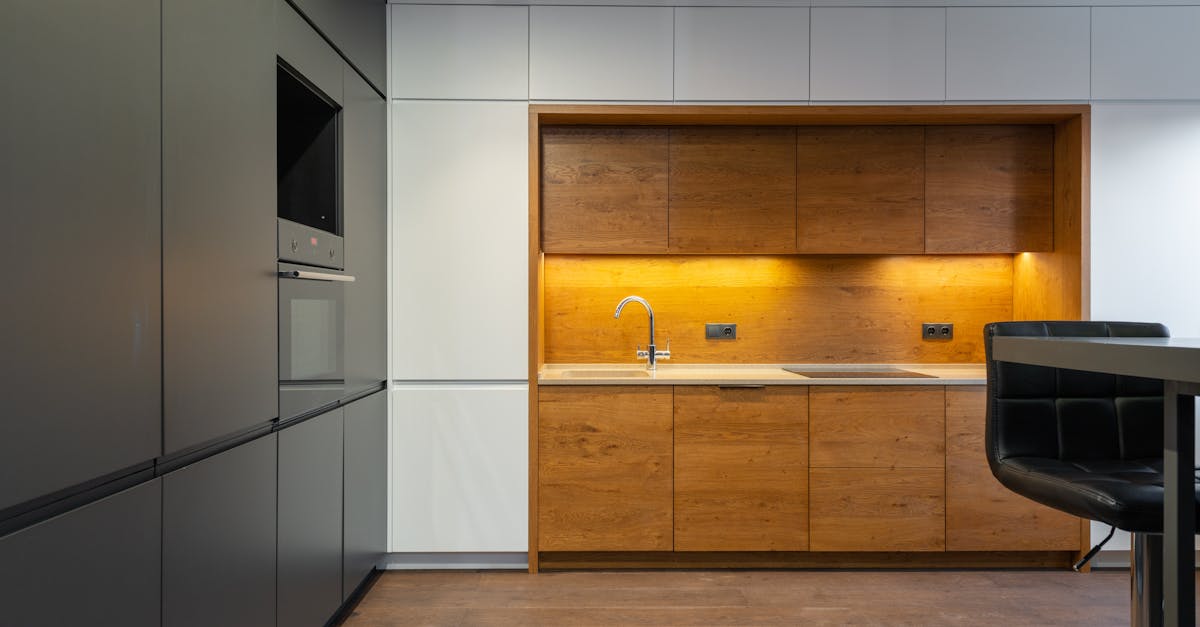
Understanding the Importance of Craftsmanship in Cabinet Selection
Table Of Contents
The Environmental Considerations of Cabinet Craftsmanship
Sustainability in craftsmanship is becoming increasingly important as environmental awareness grows. Selecting cabinets made from sustainably sourced materials can reduce ecological impact. Many cabinetmakers use timber from certified forests, ensuring that the materials are harvested responsibly. Moreover, the choice of finishes plays a crucial role; water-based finishes often emit fewer volatile organic compounds (VOCs), promoting healthier indoor air quality.
The production methods of cabinets can also significantly affect their environmental footprint. Techniques that minimise waste, such as computer-aided design, allow craftsmen to use materials more efficiently. Additionally, local sourcing not only supports regional economies but also reduces the carbon footprint associated with transportation. Employing these environmentally conscious practices can lead to cabinets that are not only aesthetically pleasing but also supportive of a more sustainable future.
Sustainable Practices in Cabinet Manufacturing
The growing awareness of environmental issues has pushed many manufacturers to adopt sustainable practices in the production of cabinets. This includes the use of responsibly sourced materials, such as timber certified by organisations like the Forest Stewardship Council. Other manufacturers are opting for reclaimed wood, which reduces waste and the demand for new materials, while also giving each piece a unique character. Eco-friendly finishes and adhesives that emit fewer volatile organic compounds are becoming the norm. These practices not only minimise the ecological footprint but also appeal to consumers aiming for healthier indoor environments.
Another key aspect of sustainable cabinet manufacturing is energy efficiency throughout the production process. Many modern facilities are investing in renewable energy sources such as solar or wind power to reduce their carbon emissions. Additionally, advancements in technology have allowed for more efficient machines that use less energy and produce less waste during the fabrication of cabinets. Focus on local sourcing reduces transportation emissions and supports local economies. By choosing manufacturers that prioritise sustainability, consumers contribute to a more responsible and environmentally friendly industry.
Selecting the Right Cabinetmaker
Finding a skilled cabinetmaker requires careful consideration and research. Start by seeking recommendations from friends or family who have recently undertaken similar projects. Online reviews and portfolios provide valuable insights into the quality of a craftsman’s work. Visiting local workshops can also reveal the level of craftsmanship you can expect. Observing their attention to detail and the materials used can help you gauge their expertise.
Once you have a shortlist, it is essential to have direct conversations with the candidates. Discuss your specific needs and design preferences to see how well they understand your vision. An experienced cabinetmaker should demonstrate not only technical skills but also an ability to listen and adapt to your requirements. Inquiring about their past projects and process can further clarify their approach, helping you make an informed choice.
Essential Criteria for Choosing a Skilled Craftsman
When selecting a skilled craftsman for cabinetmaking, experience plays a crucial role in ensuring high-quality results. A craftsman with several years in the industry is likely to possess the expertise needed to navigate complex projects and address any challenges that may arise. Reviewing their portfolio can provide insights into their craftsmanship style and the types of projects they specialise in, helping to assess whether their skills align with your vision.
Qualifications and training also significantly influence a craftsman’s ability to deliver exceptional work. Look for professionals who have undergone formal training or apprenticeships, as this background often equips them with the necessary techniques and knowledge of materials. Additionally, seeking out craftsmen who participate in ongoing education or industry workshops can indicate a commitment to staying updated with the latest trends and technologies in cabinetmaking.
Trends in Cabinet Design and Craftsmanship
The cabinet design landscape is evolving, influenced by both functional needs and aesthetic preferences. Open shelving and minimalistic designs are gaining popularity, catering to a desire for a more uncluttered and accessible kitchen environment. Natural materials, such as reclaimed wood and bamboo, are also in demand, reflecting a growing appreciation for sustainable choices and a connection to the outdoor world.
Innovative technologies are making their mark on cabinet craftsmanship, enhancing both the design process and the final product. Customisation options have expanded significantly, allowing homeowners to incorporate smart storage solutions that maximise space. Furthermore, digital tools and 3D modelling are now widely utilised, enabling designers to visualise projects before they are built, ensuring a seamless integration of style and functionality.
Innovations Shaping the Future of Cabinetry
The landscape of cabinetry is evolving rapidly due to advancements in technology and design methodologies. One significant shift is the incorporation of smart technology, which allows homeowners to control lighting, temperature, and even sound within their cabinets. These innovations not only enhance functionality but also provide a modern aesthetic that appeals to contemporary consumers. Additionally, the use of virtual reality in the design process enables clients to visualise and customise their spaces in a way that was previously unimaginable, allowing for a more tailored approach to cabinetry.
Sustainable materials are increasingly being integrated into cabinet manufacturing, reflecting a growing consumer demand for eco-friendly options. Innovations such as bamboo and recycled wood are gaining popularity due to their low environmental impact and durability. These materials are often accompanied by low-VOC finishes that contribute to healthier indoor air quality. Moreover, automated manufacturing processes are becoming more prevalent, allowing for increased precision and reduced waste during production. This fusion of sustainability and technology is redefining what consumers expect from cabinetry.
FAQS
What is craftsmanship in cabinet selection?
Craftsmanship in cabinet selection refers to the skill, attention to detail, and quality of workmanship that goes into creating cabinets. It emphasizes the importance of selecting cabinets that are not only visually appealing but also durable and functional.
How does cabinet craftsmanship relate to environmental considerations?
Cabinet craftsmanship can significantly impact the environment through the use of sustainable materials and manufacturing practices. High-quality craftsmanship often prioritises eco-friendly options that reduce waste and promote sustainability in the production process.
What should I look for when selecting a cabinetmaker?
When selecting a cabinetmaker, it’s essential to consider their experience, reputation, portfolio of previous work, and commitment to quality. Look for testimonials and reviews from past clients to gauge their skills and reliability.
What are some essential criteria for choosing a skilled craftsman?
Key criteria for choosing a skilled craftsman include the quality of their materials, their attention to detail, their ability to customise based on your needs, and their adherence to sustainable practices. You should also assess their communication skills and customer service.
What are the latest trends in cabinet design and craftsmanship?
Current trends in cabinet design and craftsmanship include the use of innovative materials, minimalist designs, and multifunctional cabinetry. There is also a growing emphasis on sustainable practices and customisation to suit individual tastes and spaces.
Related Links
Investigating Manufacturer Certifications and Industry StandardsAssessing Quality Assurance Processes in Newcastle's Kitchen Cabinet Manufacturing
The Importance of After-Sales Service and Maintenance in Cabinet Selection
Checking for Local Sustainable Practices in Cabinet Production
Exploring the Impact of Design Flexibility on Manufacturer Choice
Comparing Pricing Structures Among Newcastle's Kitchen Cabinet Producers
Identifying the Long-term Reliability of Kitchen Cabinet Materials and Finishes
Evaluating Delivery Times and Installation Services Offered by Manufacturers