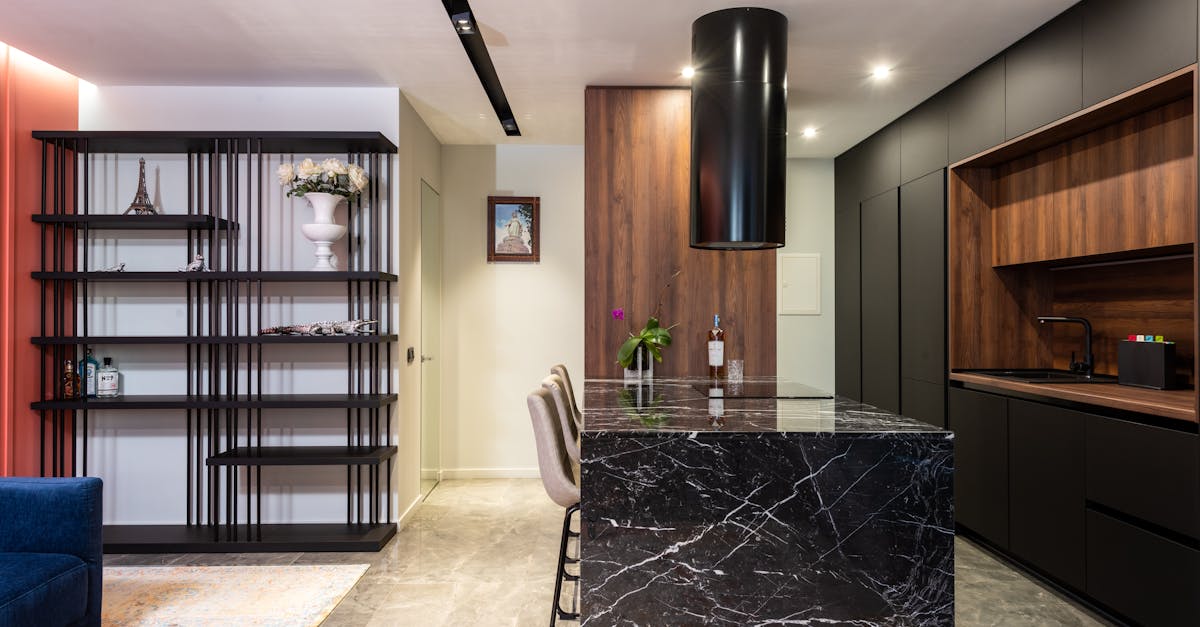
Designing a Timeless Minimalist Kitchen with Custom Cabinets
Table Of Contents
Incorporating Smart Storage Solutions
In a minimalist kitchen, every inch of space matters. Custom cabinets can be designed with integrated shelving and pull-out drawers that maximise efficiency. Consider incorporating vertical storage options or corner cupboards that utilise otherwise wasted space. Implementing clever organisational features, such as adjustable dividers and built-in spice racks, can significantly enhance functionality without compromising the sleek aesthetic.
Smart storage solutions also extend to kitchen islands and countertops. By designing cabinets with concealed compartments, items can be stowed away yet remain easily accessible. Open shelving is another option, offering a balance between display and practicality. Including innovative solutions, such as a drop-down bench or hidden bins for recycling, can further streamline the space while maintaining a clutter-free environment.
Maximising Space with Innovative Designs
Clever design strategies can dramatically enhance the functionality of a minimalist kitchen. Incorporating vertical storage solutions, such as wall-mounted shelves and tall cabinets, allows for the effective use of height while keeping countertops tidy. Custom cabinetry can be tailored to fit underutilised spaces, maximising storage without compromising aesthetics. Such innovative approaches not only provide essential storage but also create a streamlined appearance, essential to a minimalist theme.
Creating hidden compartments within cabinetry can further optimise space. For instance, pull-out drawers or drawer dividers can neatly store utensils and kitchen gadgets, reducing visual clutter. Additionally, combining open shelves with closed cabinetry offers a balanced look while maintaining accessibility. These thoughtful design elements contribute to a seamless workflow, making the kitchen both practical and visually appealing.
The Importance of Lighting
Lighting plays a crucial role in shaping the overall atmosphere of a minimalist kitchen. Natural light can be maximised by positioning windows strategically, allowing ample daylight to enter the space. Combining this with well-planned artificial lighting can enhance functionality. Recessed lighting provides a clean look while under-cabinet lights serve to illuminate work surfaces effectively. Dimmers can also be installed to adjust the brightness according to the time of day or mood desired.
Creating a comfortable ambiance goes beyond mere illumination. Selecting light fixtures that complement the minimalist style adds a touch of elegance and warmth. Pendant lights over an island or a dining area can serve as focal points while remaining unobtrusive. It's essential to use warm-toned bulbs that promote a welcoming environment. This careful consideration of lighting elements contributes significantly to the kitchen's overall design and functionality.
Creating Ambiance in a Minimalist Kitchen
A well-planned lighting scheme plays a crucial role in establishing the desired mood within a minimalist kitchen. Natural light should be maximised, with large windows or sliding doors integrated to bring in brightness during the day. For evening gatherings, consider layered lighting that includes task, accent, and ambient fixtures. Simple yet stylish pendant lights above the island can create a focal point, while strategically placed LED strips can enhance the clean lines of cabinetry.
Colour temperatures in lighting should be chosen to complement the minimalist aesthetic. Warm, soft white light creates an inviting atmosphere, whereas cooler tones can add a modern edge. Dimmers are an excellent addition, allowing homeowners to adjust the intensity based on the occasion. This flexibility ensures that the kitchen remains both functional and atmospheric, serving as a welcoming space for both culinary creativity and social interaction.
Designing for Sustainability
A focus on sustainability can significantly enhance the appeal of a minimalist kitchen. Choosing eco-friendly materials is crucial. Options like bamboo, recycled wood, and low-VOC finishes contribute to reducing carbon footprints. Bamboo, in particular, stands out for its rapid growth and durability. Incorporating energy-efficient appliances also aligns with sustainable practices. These appliances not only use less power but often come with modern designs that complement minimalist aesthetics.
Sustainable design extends beyond materials and appliances. Consider implementing water-saving fixtures such as low-flow taps and dual-flush toilets. Optimising natural light in your kitchen can reduce dependence on artificial lighting throughout the day. In addition, keeping waste in mind is essential. Incorporating recycling stations within cabinetry or creating dedicated spaces for composting can encourage eco-friendly habits. This thoughtful design approach reflects a commitment to environmental responsibility while maintaining the clean lines and simplicity characteristic of minimalist styles.
Eco-Friendly Materials and Practices
Choosing sustainable materials plays a crucial role in creating an eco-friendly kitchen. Opt for cabinets made from certified timber or reclaimed wood. Bamboo is another excellent choice due to its rapid growth and renewability. The use of low-VOC (volatile organic compounds) finishes can minimise harmful emissions, contributing to improved indoor air quality. Selecting energy-efficient appliances will further promote sustainability while reducing utility bills.
Incorporating practices that prioritise sustainability also matters. Recycling old cabinets and fixtures can help in reducing waste and saving on costs. Water-saving taps and appliances can significantly cut down water usage without compromising functionality. Designing a kitchen with natural ventilation not only enhances airflow but also reduces reliance on artificial cooling systems. These thoughtful choices collectively create a kitchen that is not only stylish but also environmentally responsible.
FAQS
What are the key features of a minimalist kitchen?
A minimalist kitchen typically features clean lines, a clutter-free workspace, and a simple colour palette. Custom cabinets designed with functionality in mind are essential, as they help maintain an organised and streamlined look.
How can I maximise space in my kitchen with custom cabinets?
Custom cabinets can be designed to fit precisely in your kitchen layout, utilising every inch of available space. Incorporating innovative storage solutions, such as pull-out shelves, vertical dividers, and hidden compartments, can also enhance space efficiency.
Why is lighting important in a minimalist kitchen?
Lighting plays a crucial role in creating ambiance and enhancing the aesthetics of a minimalist kitchen. Proper lighting helps highlight the simplicity of design, makes the space feel more inviting, and ensures functionality during meal preparation.
What types of eco-friendly materials should I consider for my kitchen?
For a sustainable kitchen design, consider materials such as bamboo, reclaimed wood, recycled metals, and low-VOC finishes. These materials not only reduce your environmental footprint but also contribute to a unique and stylish kitchen aesthetic.
How can I ensure my minimalist kitchen remains timeless?
To achieve a timeless minimalist kitchen, focus on quality over quantity, choose neutral colours, and select classic designs for your custom cabinets and fixtures. Avoid trendy elements that may quickly go out of style, and prioritise durability and functionality.
Related Links
Popular Materials for Modern Minimalist Kitchen CabinetsBalancing Simplicity and Style in Modern Kitchen Cabinetry
Innovative Storage Solutions for Minimalist Kitchen Cabinets
How to Achieve a Sleek Look with Minimalist Cabinet Hardware
Embracing Minimalism: Top Trends in Newcastle Kitchen Designs
Colour Palettes That Complement Modern Minimalist Kitchens
Integrating Functionality and Aesthetics in Modern Minimalist Cabinets
Key Characteristics of Minimalist Kitchen Cabinet Designs