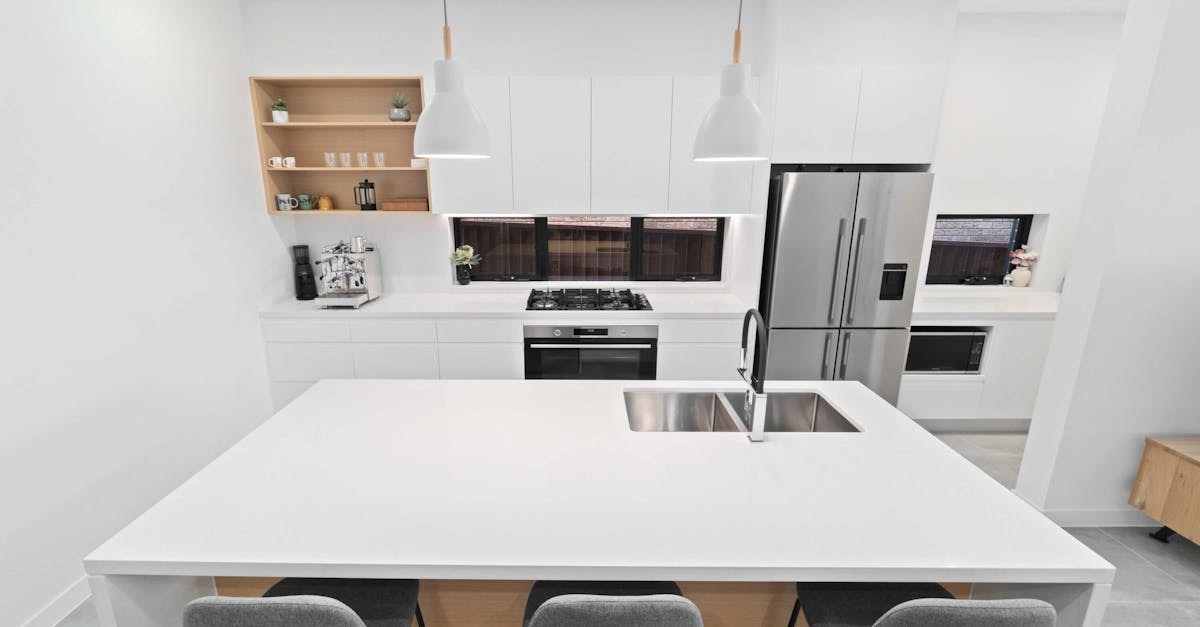
Popular Materials for Modern Minimalist Kitchen Cabinets
Table Of Contents
Plywood for Strength and Stability
This versatile material is highly regarded in kitchen cabinet construction due to its impressive strength and stability. Plywood is composed of multiple thin layers of wood that are glued together, creating a product that resists warping and cracking over time. This characteristic makes it particularly suitable for heavy-duty applications where durability is essential.
In addition to its structural integrity, plywood offers a variety of finishes that can enhance the aesthetic of modern minimalist kitchens. It comes in an array of wood species, allowing for both a natural look and the capability to paint or veneer to suit different design preferences. Its lightweight nature also facilitates ease of installation and reduces the overall load on cabinetry structures.
Advantages of Plywood in Cabinet Making
Plywood is highly regarded for its strength and stability, making it an ideal choice for kitchen cabinets. Its layered construction provides excellent resistance to warping and cracking. This characteristic allows it to maintain its shape over time, even with changes in humidity and temperature. The versatility of plywood also enables it to be cut into various sizes and shapes, accommodating different designs and layouts in modern kitchens.
Another significant advantage is the ease with which plywood can be finished. It can be stained, painted, or left in its natural wood state, offering flexibility in achieving the desired aesthetic. Additionally, plywood is a sustainable option, as it is often made from renewable resources. This eco-friendly attribute appeals to homeowners seeking to reduce their environmental impact while enjoying durable and stylish cabinetry.
MDF for Smooth Finishes
MDF, or medium-density fibreboard, is a popular choice among designers and homeowners seeking a sleek and modern aesthetic. Its smooth surface provides an ideal canvas for laminate or paint finishes, enabling a seamless look that aligns perfectly with minimalist themes. The fine particles used in MDF construction allow for intricate detailing, making it versatile for various cabinet designs. This material is particularly advantageous in creating flat-panel doors and sleek lines, ensuring that the overall look remains cohesive and contemporary.
The manufacturing process of MDF involves breaking down wood fibres and combining them with adhesives under heat and pressure, resulting in a dense and durable product. This consistency prevents warping and cracking, issues that can arise with solid wood constructions. The ability to easily cut, drill, and shape MDF without compromising its structural integrity adds to its appeal. This makes it not only functional but also a practical material choice for those aiming for a refined look in their kitchen cabinetry.
How MDF is Manufactured
Medium-density fibreboard (MDF) is produced through a process that involves breaking down wood into small wood fibres. These fibres are typically derived from timber shavings, chips, or sawdust. The raw materials undergo drying to reduce moisture content, followed by blending with adhesives and additives. This mixture is then formed into mats, which are compressed under high temperature and pressure to create dense sheets of MDF.
The resulting board showcases a uniform structure with a smooth surface finish, making it highly versatile for cabinetry. After the sheets are formed, they undergo cutting and shaping to meet specific design requirements. Quality control is essential during production to ensure the MDF meets industry standards for density and durability, which is crucial for its performance in various applications, including kitchen cabinetry.
Concrete for an Industrial Touch
The rise of concrete in interior design reflects a growing appreciation for its raw, unrefined aesthetic. This material captures the essence of industrial style, making it a striking choice for modern kitchens. Its unique texture and shade can complement sleek appliance finishes and vibrant splashes of colour, contributing to a balanced yet provocative environment. Concrete can be custom-formed into various shapes, allowing for creative cabinetry designs that stand out in a minimalist setting.
Incorporating concrete into kitchen cabinets demands careful consideration of weight and durability. Unlike traditional materials, concrete requires a sturdy framework to support its substantial heft. Sealing the surface is essential to prevent staining and damage, ensuring the longevity of the cabinetry. While the industrial look is appealing, achieving the perfect blend of functionality and style is key to making concrete an effective choice for a contemporary kitchen space.
Incorporating Concrete Cabinets Safely
Concrete can introduce a striking visual element to a kitchen design while also providing durability. However, it is essential to consider weight distribution when integrating concrete cabinets into the space. Reinforcing cabinetry and structures underneath ensures that the weight is adequately supported. Proper anchoring is also crucial to prevent any tipping hazards, especially in households with small children.
Another consideration is the concrete's finish. Sealing the concrete properly adds a protective layer, preventing moisture absorption and making cleaning easier. Using a food-safe sealant is vital in a kitchen environment, as it assists in safeguarding surfaces from stains and bacteria, maintaining both aesthetic quality and hygiene. Careful planning and execution can result in stunning yet functional concrete cabinetry.
FAQS
What are the benefits of using plywood for kitchen cabinets?
Plywood offers excellent strength and stability, making it ideal for kitchen cabinets. It is also resistant to warping and cracking, ensuring durability over time.
How is MDF manufactured, and why is it popular for cabinet making?
MDF, or Medium Density Fibreboard, is made from wood fibres, wax, and resin, which are compressed and heated to form panels. Its smooth surface allows for easy painting and veneering, making it a popular choice for achieving sleek finishes in modern kitchens.
Can concrete be used for kitchen cabinets, and what are its advantages?
Yes, concrete can be used for kitchen cabinets and adds a unique industrial touch. It is highly durable and resistant to heat and moisture, making it a practical choice for kitchen environments.
Are there safety concerns when incorporating concrete cabinets in a kitchen?
While concrete cabinets are sturdy, it’s important to ensure they are properly sealed to prevent moisture absorption and potential cracking. Additionally, using lightweight concrete or reinforcing the structure can enhance safety and practicality.
Which material is best for achieving a minimalist look in a kitchen?
Both plywood and MDF are excellent choices for a minimalist look due to their clean lines and smooth finishes. Concrete also offers a modern aesthetic but may require more careful design consideration to maintain a minimalist appearance.
Related Links
Designing a Timeless Minimalist Kitchen with Custom CabinetsThe Rise of Modern Minimalist Kitchen Cabinetry in Newcastle
Balancing Simplicity and Style in Modern Kitchen Cabinetry
Innovative Storage Solutions for Minimalist Kitchen Cabinets
How to Achieve a Sleek Look with Minimalist Cabinet Hardware
Embracing Minimalism: Top Trends in Newcastle Kitchen Designs
Colour Palettes That Complement Modern Minimalist Kitchens
Integrating Functionality and Aesthetics in Modern Minimalist Cabinets