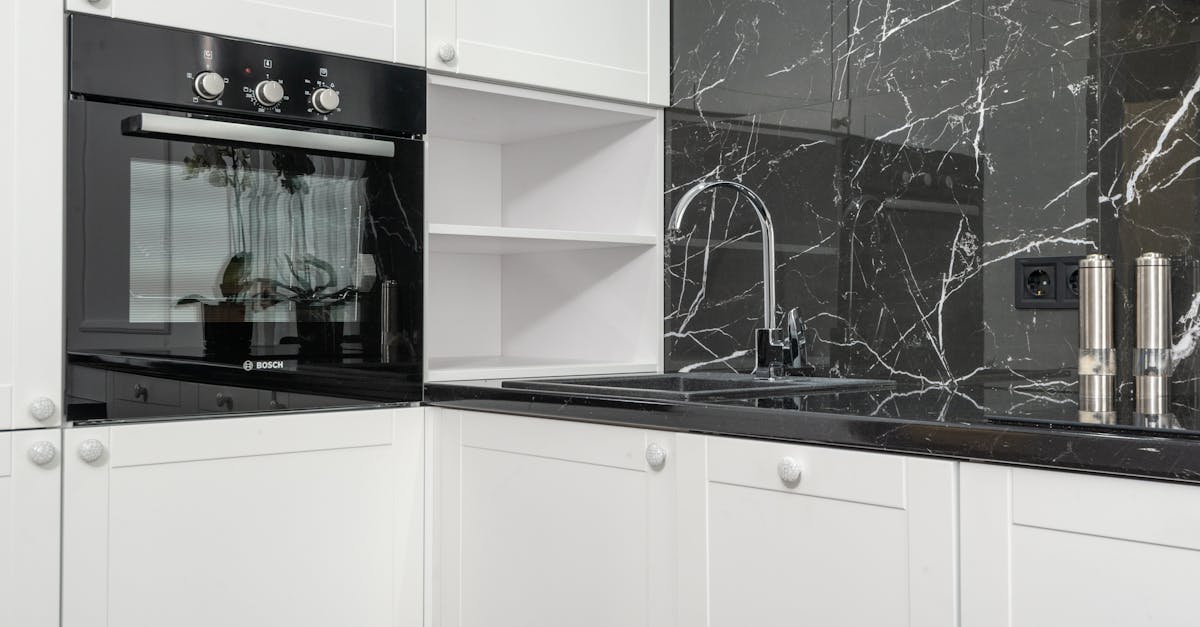
The Rise of Modern Minimalist Kitchen Cabinetry in Newcastle
Table Of Contents
Color Schemes in Modern Minimalist Kitchens
Neutral colour palettes dominate modern minimalist kitchens, emphasising simplicity and elegance. Shades of white, grey and beige create a clean backdrop that enhances the overall aesthetic. Soft pastels have also emerged as a popular choice, adding a subtle touch of warmth without overwhelming the senses. These calming tones allow for versatile decorative accents, giving homeowners the flexibility to personalise their spaces.
In addition to neutrals, darker hues are making a statement in minimalist designs. Rich blacks and deep navy blues lend depth and sophistication, often used in combination with lighter elements to maintain balance. Metallic accents, such as brushed brass or matte black hardware, provide a striking contrast while aligning with the minimalist ethos. Thoughtfully chosen colour combinations contribute to a serene environment, promoting both functionality and style.
Popular Palettes for a Cohesive Look
Neutral tones, such as whites, greys, and beiges, dominate the aesthetic of contemporary minimalist kitchens. These shades create an open and airy feel, making the space appear larger and more inviting. Pairing these colours with natural wood elements can introduce warmth and texture without overwhelming the sleek lines characteristic of minimalist design.
Monochromatic schemes are also gaining traction, where varying shades of a single colour contribute to a refined and cohesive look. Deep blues and rich greens, for instance, can add depth, while maintaining a calm and sophisticated atmosphere. When integrated with simple hardware and unobtrusive fixtures, such palettes enhance the overall minimalist appeal, ensuring that the focus remains on the cleanliness of the design.
Integrating Technology into Minimalist Designs
Incorporating technology into modern minimalist kitchen designs enhances both functionality and aesthetics. Homeowners can opt for sleek, touch-sensitive controls for lighting and appliances, which maintain the uncluttered look characteristic of minimalism. Smart home systems allow for seamless integration, enabling individuals to manage their kitchen environments through voice commands or mobile applications. This innovation not only simplifies everyday tasks but also creates a harmonious blend of convenience and style.
The rise of energy-efficient appliances has also contributed to minimalist kitchen design, as these features meld seamlessly with clean lines and a simple colour palette. Induction cooktops, for example, offer a modern look while providing quick, safe cooking solutions. Additionally, under-cabinet lighting remains a favoured choice, illuminating workspaces without overwhelming the sleek aesthetic. As technology continues to evolve, its influence on minimalist designs will likely grow, further shaping how kitchens are conceived and experienced.
Smart Features for Functionality
Modern minimalist kitchens increasingly embrace technology to enhance functionality and streamline everyday tasks. Integrated appliances, such as smart ovens and refrigerators, allow users to control cooking settings remotely or monitor food supplies with ease. These innovations contribute to a seamless cooking experience while maintaining the clean lines and uncluttered aesthetics that define minimalist design.
Another trend gaining traction involves touch-activated cabinetry and smart storage solutions. These features ensure that users can access their kitchen items without sacrificing style or ease of use. For example, motion-sensor lighting can illuminate dark spaces when drawers or cupboards are opened. Such advancements offer practical ways to simplify daily routines while complementing the overall minimalist ethos, promoting efficiency in contemporary living spaces.
Sustainability in Minimalist Cabinetry
The growing emphasis on sustainability influences contemporary kitchen designs, particularly in the realm of cabinetry. Homeowners in Newcastle increasingly seek materials that not only reflect their aesthetic preferences but also align with eco-friendly values. Choices such as bamboo, reclaimed wood, or recyclable materials contribute to reducing the environmental impact of home renovations. These options provide durability and a unique character, enhancing the minimalist approach while being conscious of nature.
Manufacturers are also adopting responsible practices throughout their production processes. This includes using low-VOC finishes and sustainable sourcing strategies. As a result, cabinets not only offer beauty and functionality but also support a healthier home environment. By investing in such sustainable cabinetry, homeowners can create kitchens that are both stylish and environmentally responsible, reflecting a commitment to sustainability in their living spaces.
Eco-Friendly Materials and Practices
An increasing number of homeowners in Newcastle are prioritising sustainability in their kitchen designs. This shift has led to a surge in the use of eco-friendly materials. Bamboo, reclaimed wood, and recycled metal are becoming popular choices for cabinetry. These materials not only reduce the environmental footprint but also add unique character to modern minimalist kitchens. Their natural aesthetics seamlessly blend with the clean lines and understated elegance that define this design philosophy.
Sustainable practices extend beyond material selection. Many manufacturers are adopting environmentally responsible production processes, reducing waste and energy consumption. Water-based finishes and low-VOC paints contribute to healthier indoor air quality. By integrating these eco-friendly strategies, homeowners can create stylish kitchens while also being mindful of their environmental impact. This commitment to sustainability fosters a deeper connection with nature and encourages environmentally conscious living.
FAQS
What are the key characteristics of modern minimalist kitchen cabinetry?
Modern minimalist kitchen cabinetry is characterised by clean lines, sleek finishes, and a focus on functionality. It often features a limited colour palette, integrated appliances, and a lack of ornate detailing, creating a streamlined and uncluttered look.
Which colour schemes are most popular in modern minimalist kitchens?
Popular colour schemes for modern minimalist kitchens include neutral tones such as whites, greys, and beiges, often complemented by accent colours like navy or pastel shades. These palettes aim for a cohesive and calming aesthetic.
How can technology be integrated into minimalist kitchen designs?
Technology can be integrated into minimalist kitchen designs through the use of smart appliances, touch-activated faucets, and hidden charging stations. These features enhance functionality while maintaining a clean, uncluttered appearance.
What eco-friendly materials are commonly used in minimalist cabinetry?
Common eco-friendly materials for minimalist cabinetry include bamboo, reclaimed wood, and low-VOC (volatile organic compounds) finishes. These materials are not only sustainable but also contribute to a modern and stylish kitchen environment.
Why is sustainability important in modern kitchen design?
Sustainability is important in modern kitchen design because it reduces environmental impact by using renewable resources and minimising waste. Additionally, consumers are increasingly prioritising eco-friendly options, making sustainable design a key consideration in contemporary cabinetry.
Related Links
Key Characteristics of Minimalist Kitchen Cabinet DesignsPopular Materials for Modern Minimalist Kitchen Cabinets
Designing a Timeless Minimalist Kitchen with Custom Cabinets
Balancing Simplicity and Style in Modern Kitchen Cabinetry
Innovative Storage Solutions for Minimalist Kitchen Cabinets