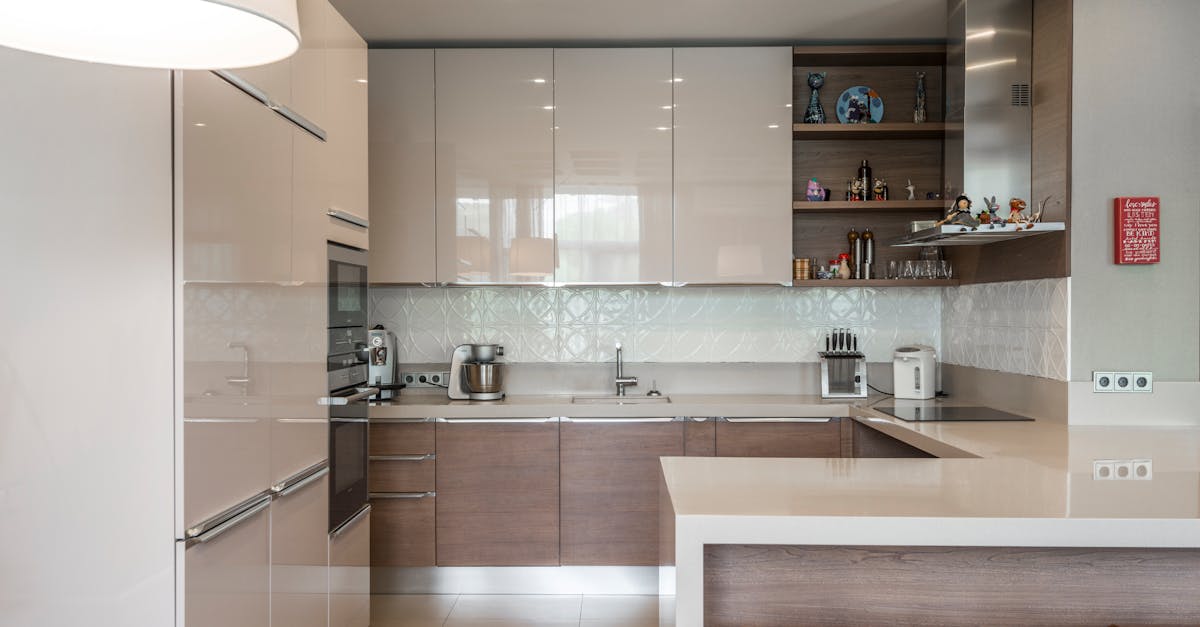
The Rise of Recycled Materials in Kitchen Cabinetry
Table Of Contents
Comparing Recycled vs. Traditional Materials
The use of recycled materials in kitchen cabinetry presents a compelling alternative to traditional options. Recycled materials often include wood remnants, reclaimed timber, and other eco-friendly resources, providing a unique aesthetic while contributing to sustainability. These materials generally have a lower environmental impact compared to new timber, which requires extensive harvesting and processing. By opting for recycled cabinets, homeowners can play a part in reducing waste and promoting a circular economy.
On the other hand, traditional materials like solid hardwood or veneer have long been favoured for their durability and classic appeal. Solid wood cabinetry can withstand wear and tear over time, often improving in character with age. However, the environmental implications of harvesting new timber are significant. Traditional materials may not offer the same level of sustainable credentials as recycled options, making the choice more complex for eco-conscious consumers. Each material type has its benefits and drawbacks, which deserve careful consideration when planning a kitchen renovation.
Performance and Durability Insights
Recycled materials have made significant advancements in performance and durability, challenging the perception that they cannot compete with traditional options. Many manufacturers are now using innovative processes to enhance the strength and stability of these materials. This includes combining recycled components with resins and other additives to create products that resist warping, cracking, and moisture damage. Test results often show that well-constructed recycled cabinetry can last just as long as its conventional counterparts with proper care.
Homeowners can expect a range of finishes and styles that maintain aesthetic appeal while also promising reliability. The surface treatments applied to recycled materials can provide additional durability, enabling them to withstand the rigours of daily use in a kitchen environment. These advancements ensure that recycled materials not only contribute to sustainability efforts but also deliver functional benefits, providing peace of mind to those seeking eco-friendly options without compromising on quality.
Installation Considerations for Recycled Cabinets
When installing recycled cabinets, it's vital to assess the structural integrity of the existing framework in your kitchen. Recycled materials can vary in weight and dimensions compared to traditional options. Ensuring that walls and support beams are equipped to bear this load will help prevent future issues. Proper alignment is crucial when fitting cabinetry to avoid gaps that could affect aesthetics and functionality.
Planning for the installation process requires careful consideration of the unique traits of recycled materials. Some cabinets may require specific adhesives or additional sealants to enhance longevity and performance. Ensuring accurate measurements is paramount, as minor discrepancies can lead to challenges during installation. Homeowners should consult with professionals who have experience with eco-friendly materials to ensure a seamless process.
Best Practices and Tips for Homeowners
Choosing recycled cabinetry involves more than just aesthetic appeal. Homeowners should consider the specific properties of the materials used, as some recycled options may offer better performance than others. Researching the certifications and sustainability claims of manufacturers can provide assurance regarding the environmental impact. It is beneficial to look for products with a history of consumer satisfaction, ensuring that the kitchen space meets both functional and environmental goals.
Before installation, it's crucial to assess the kitchen layout and existing plumbing or electrical configurations. Proper measurements are essential to avoid costly modifications later. Engaging a professional installer who has experience with recycled materials can significantly enhance the overall finish. Homeowners might also want to consider how cabinetry design can maximise storage while incorporating eco-friendly materials sustainably. Planning around these factors can lead to a seamless blend of style and responsibility in the kitchen.
Popular Brands Embracing Recycled Materials
A growing number of kitchen cabinetry brands are incorporating recycled materials into their designs, reflecting a shift towards sustainability in the industry. Companies are increasingly using reclaimed wood, recycled plastics, and eco-friendly finishes. These brands often highlight their commitment to environmental stewardship while offering innovative designs that don’t compromise on style or functionality.
Some notable players in this market have developed lines dedicated to sustainable practices. Their products range from sleek modern finishes to rustic styles, catering to diverse consumer preferences. Many of these brands ensure that the materials used not only reduce waste but also maintain high performance and durability standards, appealing to environmentally conscious homeowners.
Leading Innovators in Sustainable Kitchen Design
A number of brands have emerged as pioneers in sustainable kitchen design, showcasing innovative approaches to incorporating recycled materials. Companies like IKEA have expanded their commitment to the environment by using regenerated timber and recycled plastic for their cabinetry. This focus not only contributes to lower environmental impact but also promotes a circular economy, creating products that are both stylish and earth-friendly.
Another notable innovator is Blum, a manufacturer known for its sustainable manufacturing processes and eco-friendly hardware solutions. By prioritising resource-efficient designs and long-lasting materials, Blum ensures that kitchen cabinets remain functional while minimising waste. Their efforts reflect a growing trend in the industry, where the fusion of aesthetics and sustainability is becoming the standard.
FAQS
What are recycled materials in kitchen cabinetry?
Recycled materials in kitchen cabinetry refer to materials that have been repurposed from previous products or waste and redesigned for new use, such as reclaimed wood, recycled plastics, or composite materials made from recycled content.
How do recycled cabinets compare to traditional cabinets in terms of durability?
Recycled cabinets can be just as durable as traditional cabinets if properly manufactured. Advances in technology have improved the performance and longevity of recycled materials, making them suitable for high-traffic kitchen environments.
What are some installation considerations for recycled cabinets?
When installing recycled cabinets, it's important to ensure that the materials are compatible with your kitchen layout. Additionally, proper support and alignment are crucial, as well as understanding the unique characteristics of the materials used.
What best practices should homeowners follow when choosing recycled cabinetry?
Homeowners should research the source and quality of the recycled materials, consult with professionals for installation advice, and consider the environmental impact and sustainability of the brands they choose.
Which brands are known for embracing recycled materials in kitchen cabinetry?
Several brands are leading the way in sustainable kitchen design by incorporating recycled materials, including companies like IKEA, Green Cabinetry, and EcoCraft. These innovators focus on eco-friendly practices and high-quality design in their product offerings.
Related Links
Biodegradable Finishes: A Greener Choice for Kitchen CabinetsSustainable Wood Options for Eco-Friendly Kitchen Cabinets
Energy Efficiency in the Production of Kitchen Cabinets
Combining Aesthetics and Functionality with Eco-Friendly Materials
The Benefits of Sustainable Practices in Cabinet Manufacturing
Incorporating Salvaged Woods in Modern Kitchen Designs
Eco-Conscious Kitchen Cabinet Hardware Choices
The Impact of Bamboo in Sustainable Cabinet Manufacturing
Exploring Low-VOC Paints for Healthier Kitchen Environments